Skip to main content Skip to search Skip to main navigation

Can Dogs Eat Fish?

Yes, dogs can eat fish – and it can even be really healthy for them! However, not all fish are equally suitable. Our veterinary team explains what makes fish so healthy and what you should look out for.

Fish in Dog Nutrition

Sushi? For me, please hold the chopsticks – and add a touch of salmon! That’s more or less how many dogs would react if they could. Because many four-legged friends are huge fish fans. And quite rightly so – provided the fish is cooked and prepared correctly. Twice to three times a week, fish can be a welcome addition to your dog’s menu. Why is fish not only tasty, but can also be a healthy addition to your dog’s diet, which types are suitable and which ones are better left out of the bowl – you’ll find out here. Let’s dive into the world of fish!

Fish for Dogs: Natural Nutrients

Fish is packed with valuable nutrients such as fat-soluble vitamins, essential fatty acids and amino acids.

Omega-3 fatty acids (EPA & DHA): support the brain, heart and joints, have anti-inflammatory effects and promote a shiny coat.

Highly digestible protein: provides essential amino acids that are indispensable for healthy muscle metabolism and development, as well as for the immune system and energy supply.

Vitamins and minerals: Vitamin D strengthens bones, teeth and muscles. Vitamin A supports eyesight, helps maintain healthy skin and mucous membranes and plays an important role in the immune system and growth. It also supports thyroid function and healthy metabolism. The antioxidant selenium protects cells and strengthens the immune system.

Beware of Thiaminase

Some types of fish contain the enzyme thiaminase. This can be problematic for dogs because it breaks down vitamin B1. Dogs can develop a vitamin B1 deficiency if they are fed thiaminase-containing fish regularly. Vitamin B1 is essential for nerve function, energy metabolism and heart health. A prolonged deficiency can lead to neurological problems, weakness, cramps, loss of appetite and other symptoms.

So what can you do about it? It’s simple: heat destroys thiaminase. Briefly cooking or blanching fish makes it safe to feed. Small amounts of raw fish are usually harmless, but feeding raw fish regularly can lead to vitamin B1 deficiency. If you want to serve fish raw, choose species that do not contain thiaminase.

Fish species without thiaminase

Salmon (e.g. Atlantic or wild salmon), cod (also known as Atlantic cod), trout, pike, catfish, saithe, sole, flounder, redfish, dorado, hake, halibut and European pike-perch (a type of perch).

Fish species containing thiaminase – please cook thoroughly

Sea bass, herring, carp, sardines, catfish, zander, yellowfin tuna, mackerel, sprats, perch, anchovies.

Raw, Cooked or Dried

It’s rare for a dog to catch a trout straight from a stream. But what about the fish we bring home fresh? Can dogs eat raw fish? And what alternatives are there?

Raw Fish: Fresh, but with Caution!


Raw fish is a great addition to a BARF diet for dogs. Salmon in particular is an excellent source of nutrients, provided it is handled properly. If you want to be on the safe side, freeze the fish first. Freezing it for 24 hours kills any parasites.

Cooked Fish: Safe and Easy to Digest


If raw fish is too risky for you, cooked fish is a great alternative. Gentle cooking or steaming preserves most of the nutrients while making the fish easier to digest. Simply cook the fish without seasoning, salt or oil – and it’s safe for your dog. No need to worry: Even when cooked, fish provides fat-soluble vitamins, essential fatty acids and valuable trace elements.

Dried Fish: The Perfect Snack


Dried fish is a practical and healthy treat for in between meals. Whether as a reward or as an addition to the main meal – your dog will love it! Just make sure the dried fish is natural, without salt or preservatives. Bonus: Chewing dried fish can help clean the teeth and massage the gums. Perfect for small and large snack lovers!

Can Dogs Eat Cod?

Yes, dogs can eat cod. Cod is lean and packed with nutrients, making it an excellent choice for your dog’s diet.

Why is cod healthy for dogs?

  • High-quality protein: Supports muscle development and overall health
  • Omega-3 fatty acids: Support healthy skin and a shiny coat as well as healthy joints and have anti-inflammatory effects
  • Vitamins: Vitamin D supports healthy bones and teeth, while B vitamins support the immune system and energy metabolism. Vitamin A supports eyesight, healthy skin and mucous membranes and plays an important role in the immune system and growth
  • Minerals and phosphorus and selenium: Important for healthy bones and a strong immune system. Iodine supports thyroid function and a healthy metabolism

What should you look out for?

Cod contains many small, fine bones. Remove them carefully before feeding. Salted or smoked cod does not belong in your dog’s bowl.

Can Dogs Eat Tuna?

Yes, in moderation – tuna can contain mercury. For dogs with certain health conditions such as kidney problems, it is better to consult your veterinarian first.

Why is tuna healthy for dogs?

  • Omega-3 fatty acids: Support healthy skin and coat as well as heart health and have anti-inflammatory effects
  • Vitamins A, B and D: Important for strong bones, muscles and the immune system
  • Protein: Supports muscle development and overall vitality

What should you look out for?

  • Mercury content: Tuna can contain small amounts of mercury, so it should only be fed in moderation.
  • Preparation: Fresh tuna should be carefully deboned and cooked or steamed before feeding. Canned tuna can also be suitable – but only in its own juices or water, never in oil or seasoned.

Do You Really Need Tuna?

When tuna is caught, dolphins, turtles and other marine animals often end up in fishing nets as bycatch. On top of that, many tuna species are overfished and struggling to survive. Sure, dogs love fish, but there are much better alternatives that put less strain on the oceans and their inhabitants.

Can Dogs Eat Shrimp?

Yes, dogs can eat shrimp, but they should not be served as a main meal. Shrimp are packed with nutrients. However, dogs with cholesterol problems or certain medical conditions (e.g. diabetes) should not be fed shrimp. Allergic reactions are also possible.
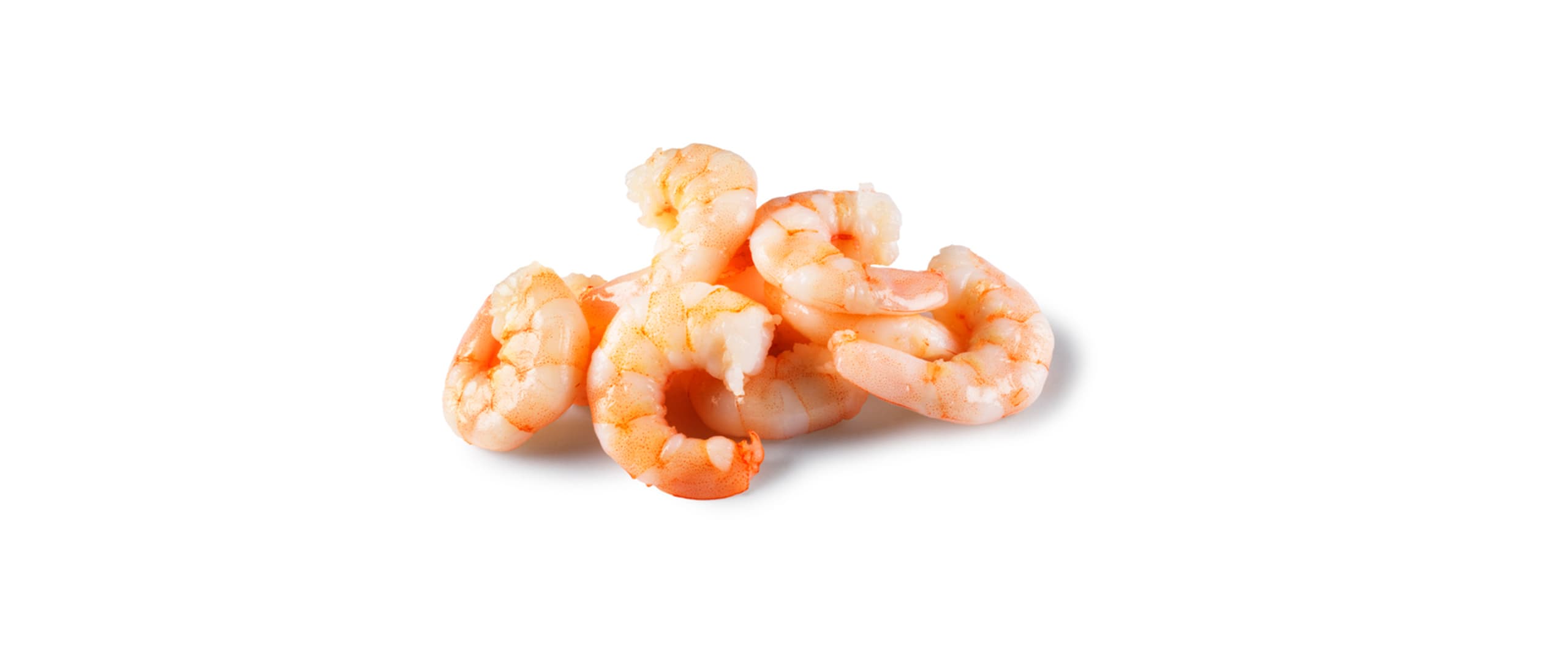
Shrimp

Why are shrimp healthy for dogs?

  • Omega-3 fatty acids: Promote healthy skin and a shiny coat and have anti-inflammatory properties.
  • Vitamins (B12, A, D): Support nerve function, the immune system and metabolism.
  • Minerals such as calcium, phosphorus and magnesium: Strengthen bones, teeth and joints.
  • Glucosamine: Supports joint health and may help relieve joint problems in older dogs.

What should you look out for?

Shrimp must always be cooked. Raw shrimp can contain pathogens such as Listeria, Salmonella or parasites. Remove the shell, head and tail to prevent injuries. The hard chitin shell is difficult to digest when raw and can cause stomach problems. Cooking may reduce certain heavy metal residues.

Yes, dogs can eat shrimp, but they should not be served as a main meal. Shrimp are packed with nutrients. However, dogs with cholesterol problems or certain medical conditions (e.g. diabetes) should not be fed shrimp. Allergic reactions are also possible.

Shrimp

Why are shrimp healthy for dogs?

  • Omega-3 fatty acids: Promote healthy skin and a shiny coat and have anti-inflammatory properties.
  • Vitamins (B12, A, D): Support nerve function, the immune system and metabolism.
  • Minerals such as calcium, phosphorus and magnesium: Strengthen bones, teeth and joints.
  • Glucosamine: Supports joint health and may help relieve joint problems in older dogs.

What should you look out for?

Shrimp must always be cooked. Raw shrimp can contain pathogens such as Listeria, Salmonella or parasites. Remove the shell, head and tail to prevent injuries. The hard chitin shell is difficult to digest when raw and can cause stomach problems. Cooking may reduce certain heavy metal residues.

Can Dogs Eat Salmon?

Yes, dogs can eat salmon. Salmon is a valuable source of protein and contains important nutrients for dogs.

Salmon Oil for Dogs: The Perfect Supplement

Salmon oil is a real power booster for your dog! It contains plenty of omega-3 fatty acids that promote healthy skin and coat and strengthen the immune system. Its anti-inflammatory properties can help with skin problems such as itching and dandruff. Choose high-quality salmon oil specifically developed for dogs to ensure it contains no unwanted additives. Your four-legged friend will thank you with a shiny coat and great health!

Why Is Salmon Healthy for Dogs?

  • Omega-3 fatty acids: Support the immune system, cognitive function and joint health, help prevent skin problems and promote a shiny coat.
  • Vitamin D: Supports bone metabolism and helps protect the immune system.
  • Vitamin B12: Important for the formation of new blood cells and nerve cells.
  • Vitamin E: Protects and strengthens skin cells.
  • Vitamin A: Supports cell growth and healthy vision.
  • Minerals such as iron, magnesium and potassium: Important for your dog’s growth and overall health. Iodine supports thyroid function and healthy metabolism. The antioxidant selenium protects cells and strengthens the immune system.
  • Protein: Provides energy and supports muscle development.

What Should You Look Out For?

Raw salmon should be frozen beforehand to kill parasites. Smoked or seasoned salmon is off-limits.

Wild Salmon, Farmed Salmon and Saithe: Not All Fish Are the Same

Wild Salmon: The healthiest choice, rich in omega-3 fatty acids, lower in fat and free from medication residues. More expensive and only available seasonally.

Farmed Salmon: Readily available, but higher in fat and may contain antibiotic residues. Contains fewer omega-3 fatty acids than wild salmon.

Saithe: Not true salmon, but a type of cod. Contains fewer omega-3 fatty acids but is a good source of protein. Ideal for dogs with sensitive digestion.

Can Dogs Eat Mackerel?

Yes, dogs can eat mackerel in moderation. Eating too much can cause digestive problems due to its high fat content.

Why Is Mackerel Healthy for Dogs?

  • Omega-3 fatty acids: Good for the skin and coat, joints and cardiovascular system; have anti-inflammatory properties.
  • Protein: Supports muscle development and healthy tissue.
  • Vitamins (B vitamins and vitamin D): Support bone health, energy metabolism and the nervous system.
  • Minerals such as iodine: Support thyroid function and healthy metabolism. Selenium protects cells and strengthens the immune system.

What Should You Look Out For?

Mackerel is not a good choice for overweight dogs. Remove any large bones.

Can Dogs Eat Sardines?

Can Dogs Eat Sardines?

Why Are Sardines Healthy for Dogs?

  • Omega-3 fatty acids: Promote healthy skin and a shiny coat, have anti-inflammatory properties and support joint, heart and immune system health.
  • Rich in protein: Easily digestible protein supports muscle development.
  • Vitamins such as vitamin B12 and vitamin D: Support bone health and the nervous system.
  • Minerals such as calcium and phosphorus: Support healthy bones and teeth.

What Should You Look Out For?

Ideal as a small snack – raw or cooked.

Can Dogs Eat Trout?

Can Dogs Eat Trout?

Yes, dogs can eat trout. This fish is a low-fat source of protein.

Why Is Trout Healthy for Dogs?

It is rich in vitamins and easy to digest.

  • High-quality protein: Supports muscle development and overall health.
  • Omega-3 fatty acids: Promote healthy skin and a shiny coat, support healthy joints and have anti-inflammatory properties.
  • Vitamins: Vitamin D supports healthy bones and teeth, while B vitamins help maintain a healthy immune system and metabolism.
  • Minerals such as phosphorus and selenium: Support healthy bones and a strong immune system.

What Should You Look Out For?

Freshwater trout can contain parasites, so it is best to serve it cooked.

Risks of Feeding Fish

Although fish is healthy, there are a few risks to be aware of:

  • Bones: Raw fish bones are soft and usually not a problem. Cooked bones, however, become brittle and can cause injuries.
  • Heavy metals: Large predatory fish such as tuna or swordfish often contain high levels of heavy metals such as mercury, so it is best to avoid them.
  • Parasites: Raw fish can contain parasites. Here’s how to eliminate them: freeze the fish for a sufficient period or cook it thoroughly.

Conclusion: Fish Are Packed with Nutrients

Fish is a great addition to your dog’s diet – as long as you pay attention to the right preparation and portion size. Choose healthy fish species such as salmon, cod or sardines and avoid large predatory fish. With the right balance, your dog can benefit from a shiny coat, strong bones and a healthy immune system!

Want to keep track of which foods are suitable for your dog? Take a look at our comprehensive guide What Can (and Can't) Dogs Eat? – you’ll find information on foods from A to Z.

Über LuckyChef

LuckyChef ist dein Experte für selbstgekochte, bedarfsdeckende Hundeernährung. Jede Mahlzeit wird individuell auf deinen Hund abgestimmt – fast aufs Gramm genau. So bekommt dein Vierbeiner genau das, was er braucht.   

Von Fachtierärzten entwickelte Rezepte, genaue Kochanleitungen, hochwertige Supplements und wertvolles Wissen in der Hundeernährung – alles, was du benötigst, an einem Ort. Kein Grübeln, kein Rechnen: einfach kochen und servieren.  Selbstkochen für den Hund ist mehr als eine schöne Idee – es ist die Entscheidung für ein gesundes und glückliches Hundeleben.


Einfach mal zwei Wochen kostenlos testen und selber frisch kochen: LuckyChef SchnüffelRezepte. 

Du möchtest für deinen Hund genauso frisch und gesund kochen wie für dich selber? Dir liegt seine gesunde, hochwertige und frische Ernährung am Herzen, aber du weißt nicht, wie du vollwertig für deinen Hund leckere und verträgliche Mahlzeiten zubereiten sollst, die exakt auf die Bedürfnisse deines Hundes zugeschnitten sind? Wir schon. 

Und das kannst du ganz einfach zwei Wochen kostenlos ausprobieren. Teste jetzt eine LuckyChef Rezeptauswahl und finde heraus, wie einfach es mit deiner Liebe und unserem Wissen ist, für deinen Hund frisch zu kochen.